
 Written by:
Louise is an SEO Writer for Spacer Technology, creating content for the Parkhound, WhereiPark, Spacer.com.au, and Spacer.com brands. Before joining Spacer, Louise wrote copies and blogs, news, retirement and financial education content. She is enthusiastic about reinforcing financial literacy and anything that can aid people in minimizing expenses and maximizing savings, which led to her passion for the sharing economy. She aims to educate people by translating complex ideas into easy-to-digest information and practical tips for maximum understanding and minimum migraine.
 Edited by:
Zarah Mae Torrazo leads the content team for Parkhound, WhereiPark, Spacer.com.au, and Spacer.com, where she focuses on helping drivers navigate city-specific parking rules, street regulations, and reliable monthly parking options across major North American and Australian markets. With nearly a decade of experience in research-driven content, she translates complex local parking policies into clear, practical guidance that helps people find safe, affordable spaces wherever they’re headed. Her work draws on a deep understanding of how urban parking systems operate and how shared parking solutions can support both drivers and communities.
Unpaid parking tickets in the U.S. can lead to fines, license suspension, car impoundment, or even legal trouble. Learn the risks and how to resolve them fast.
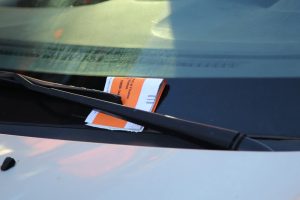
A parking ticket is a citation issued by a city or municipal authority when a vehicle is parked illegally, such as when overstaying a time limit, parking in a no-parking zone, or failing to pay a meter. This applies to everyone: new drivers still learning the ropes, seasoned drivers who make a mistake, and even international tourists renting cars in the U.S. In fact, cities like New York and Los Angeles issue millions of parking tickets annually. According to NYC Open Data, over 8 million parking tickets were issued in New York City alone in 2023.
While getting a parking ticket might seem like a minor inconvenience, ignoring it can lead to serious consequences. Though it won’t usually add points to your license, it can still result in hefty fines and legal obligations. No matter who you are, failing to resolve a ticket promptly can lead to escalating fines, registration issues, or even getting your car towed.
Browse and book secure monthly parking across North America.
Penalties can start adding up quickly if you don’t pay a parking ticket promptly. Municipalities are often aggressive in collecting fines, and even a single missed deadline can trigger a chain reaction of added costs and warnings.
Letting parking tickets pile up over time can lead to more than just higher fines. Cities and states have systems in place to escalate enforcement, especially if multiple tickets go unpaid or ignored.
While many parking ticket consequences are similar nationwide, some states and cities enforce unique policies or take more aggressive action against unpaid fines. The severity of these consequences often depends on how many tickets you’ve accumulated and how long they’ve gone unpaid.
If you’re unsure of the laws in your area, check your local DMV or city parking authority website to avoid unexpected penalties.
Sometimes a parking ticket gets missed because it was never seen, forgotten, or received during a difficult situation. Maybe you couldn’t move your car right away, or you were dealing with an emergency. Whatever the reason, you still have options even after a deadline has passed.
Contest the ticket
If you believe the ticket was issued in error or there were legitimate reasons for the violation, you may be able to appeal it. Most cities allow you to submit evidence and a written explanation online or by mail.
Contact your local parking enforcement office
Speaking directly with the issuing agency may help you understand your options. They can explain penalties, deadlines, and whether you’re eligible for a payment plan or reduction.
Tourists can resolve tickets remotely
If you’re visiting from abroad or out of state, most cities allow you to pay or contest tickets online. Be sure to resolve it before your rental agency adds extra fees or refers the issue to collections.
Look into ticket amnesty or hardship programs
If you’re having financial difficulties, some cities run periodic amnesty programs that forgive late fees or reduce fines for low-income drivers. Check with your city or county if you can avail this option.
Request a payment plan
Many cities offer payment plans that may allow you to pay off your ticket in installments. This is helpful if you can’t pay the full amount at once or if penalties have made the total too high.
Ignoring a parking ticket might seem harmless at first, but the consequences can escalate fast, especially if multiple tickets go unpaid. What starts as a small fine can lead to bigger issues like registration holds, increased penalties, or even a court hearing.
Taking prompt action when issued a parking ticket is the best way to avoid unnecessary costs and complications. Acting quickly provides more options, such as paying outright, contesting, or setting up a payment plan, and this flexibility could keep your driving record clean.
To avoid parking tickets in the future, pay close attention to local parking signs, time limits, and meter rules. Set reminders with enough time for you to return to your vehicle if you’re parked in a timed zone, or use official parking meter apps where available to easily extend your time remotely. A few extra minutes of caution can save you time, money, and stress later.
Louise is an SEO Writer for Spacer Technology, creating content for the Parkhound, WhereiPark, Spacer.com.au, and Spacer.com brands. Before joining Spacer, Louise wrote copies and blogs, news, retirement and financial education content. She is enthusiastic about reinforcing financial literacy and anything that can aid people in minimizing expenses and maximizing savings, which led to her passion for the sharing economy. She aims to educate people by translating complex ideas into easy-to-digest information and practical tips for maximum understanding and minimum migraine.
Louise is an SEO Writer for Spacer Technology, creating content for the Parkhound, WhereiPark, Spacer.com.au, and Spacer.com brands. Before joining Spacer, Louise wrote copies and blogs, news, retirement and financial education content. She is enthusiastic about reinforcing financial literacy and anything that can aid people in minimizing expenses and maximizing savings, which led to her passion for the sharing economy. She aims to educate people by translating complex ideas into easy-to-digest information and practical tips for maximum understanding and minimum migraine.
This will close in 0 seconds
This will close in 0 seconds