
Home » Car Maintenance » Prepare Your Car for Long Weekend Getaways: A Road Trip Checklist

Prepare Your Car for Long Weekend Getaways: A Road Trip Checklist

Fact checked
Spacer is committed to creating accurate and helpful content. Have any questions, or concerns, or have found an inaccuracy with our content, then please contact us at [email protected].

Planning a long weekend getaway? Learn how to prepare your car for a long trip with this simple pre-trip checklist covering tires, fluids, emergency gear, and road-ready essentials.

Many drivers focus on packing bags and planning routes and activities in preparation for long weekend getaways. However, many also tend to forget that long holidays often mean more cars on the road and longer drives than usual that they overlook checking the state of their vehicle.

In fact, the American Automobile Association (AAA) reported responding to about 27 million roadside assistance calls in 2024. Many of these cases involved common issues such as dead batteries, flat tires, or engine problems that could have been prevented with routine vehicle checks before a trip.

A quick inspection before leaving can help prevent delays, expensive repairs, or roadside emergencies. It is especially important for drivers who don’t regularly take long trips or who drive an older vehicle, as vehicles aged 10 years or older account for over 80% of roadside assistance calls.

In this guide, we’ll walk you through the essential things to check and pack before heading out on your next holiday road trip. We’ve also included a print-ready road trip checklist that you can save so you can easily review everything before hitting the road.

Do a Quick Pre-Trip Vehicle Inspection

A quick vehicle inspection before a long weekend trip can help prevent the most common roadside issues. According to AAA, many breakdowns involve issues that drivers could detect early, such as worn tires or weak batteries. Before you hit the road, spend a few minutes to check these key components to reduce the risk of a car breakdown:

  • Tires: Check tire pressure, tread depth, and look for visible damage such as bulges, cuts, or punctures. Compare tire pressure with the recommended level in your vehicle manual or the sticker on the driver-side door. Avoid overinflating your tires, as incorrect pressure can affect handling and safety. Proper inflation also improves fuel efficiency and helps reduce the risk of blowouts.
  • Lights and Signals: Turn on the headlights, brake lights, and turn signals to confirm they are working properly. Replace weak or faulty bulbs as needed. Functional lights improve visibility for you and other drivers, especially when driving at night or in poor weather conditions.
  • Battery: Check that the battery clamps are secure, look for corrosion on the terminals, and start the engine to ensure it runs smoothly. If the battery is more than three years old, consider having it tested or replaced before a long trip.
  • Airbags: Check that the airbag warning light on the dashboard turns on when you start the car and then goes off after a few seconds. A persistent warning light may indicate a malfunction. Do not try to manually test or apply force to airbags, as this can trigger deployment and cause serious injury. Any airbag issues should be addressed by a certified mechanic before your trip.
  • Belts and Hoses: Inspect for cracks, leaks, or signs of wear. Damaged belts or hoses can lead to overheating or engine failure.
  • Fluid Leaks and Strange Noises: Look under the vehicle for puddles or drips, and listen for unusual sounds when starting or idling. Early detection can prevent bigger problems on the road.

A few minutes spent on this pre-trip inspection can prevent common roadside issues, ensuring your car is safe and reliable for a long weekend drive.


Top Off Fluids and Essential Maintenance

Fluids help regulate temperature, lubricate moving parts, and maintain braking performance. Checking essential fluids is one of the simplest ways to reduce the risk of mechanical issues during a long drive. Before leaving for a long weekend trip, make sure these vehicle fluids are at the proper levels and in good condition:

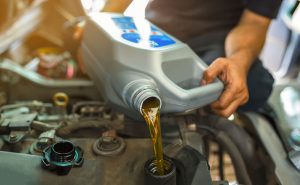
  • Engine Oil: Keeps engine components lubricated and prevents excessive wear. If the oil level is low or the oil appears dark and dirty, consider topping it off or getting a full oil change. Follow your vehicle manual’s maintenance schedule.
  • Coolant: Regulates engine temperature and prevents overheating, especially on long drives or during hot weather. Check the coolant level in the reservoir tank only when the engine is cool to avoid burns and make sure to use the correct type of coolant for your vehicle.
  • Brake Fluid: Supports reliable braking performance. Low brake fluid can reduce braking efficiency and may lead to weak or delayed braking, which increases the risk of accidents. If the fluid level is below the recommended mark, make sure to top it off and check for possible leaks or worn brake components.
  • Windshield Washer Fluid: Maintains clear visibility by clearing dirt, bugs, and road spray from the windshield. Make sure the reservoir is filled with the proper washer fluid before departure. If you are traveling in colder climates, use a winter-grade washer fluid that is designed to resist freezing.
  • Belts, Hoses, and Wipers: While checking fluids, quickly inspect belts for cracks, hoses for leaks, and wipers for wear. These small checks can prevent breakdowns and improve safety during the trip.

Taking a few minutes to top off fluids and inspect key components ensures your vehicle is road-ready and reduces the chance of preventable problems on your trip.


Pack a Road Trip Emergency Kit

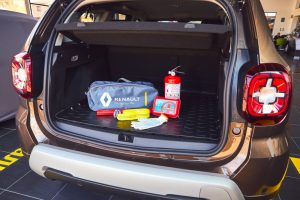
Even a well-maintained car can run into unexpected problems on the road. A basic emergency kit ensures you can handle minor issues safely and reduces stress during a long weekend trip. Pack the following items as part of your emergency kit and keep them accessible, ideally in the trunk or cargo area:

  • Hazard Signals / Warning Triangles: Place the warning triangles behind your vehicle if you break down or need to stop on the roadside. These improve your vehicle’s visibility to other drivers and reduce the risk of accidents.
  • Spare Tire and Tire Tools: Include a spare tire, jack, and lug wrench. Make sure the spare is properly inflated and in good condition. Check your vehicle manual for the correct jacking procedure.
  • Jumper Cables or Portable Battery Charger: Dead batteries are a common roadside issue, but having jumper cables or a compact battery booster on hand can get you moving quickly without waiting for assistance.
  • Basic Tools: A small toolkit with screwdrivers, pliers, adjustable wrench, and duct tape can help with minor repairs or adjustments.
  • First-Aid Kit: Include bandages, antiseptic wipes, adhesive tape, and any personal medications. This helps handle minor injuries safely while waiting for help if needed.
  • Flashlight and Extra Batteries: A flashlight or headlamp is essential for nighttime emergencies or inspecting your car in low-light conditions. A headlamp can also be useful for hands-free work.
  • Water and Non-Perishable Snacks: Keep enough water for all passengers and snacks like granola bars. This is especially important if you become stranded in a remote area.
  • Phone Charger and Backup Battery: Ensure you can contact roadside assistance, GPS services, or emergency contacts if needed.
  • Small Fire Extinguisher: A compact, vehicle-rated extinguisher can help contain minor engine or electrical fires. Keep it secured in an easily accessible spot in your car and ensure all passengers know its location. This is particularly useful for older vehicles or trips through remote areas where emergency response may take longer.

Having a well-stocked emergency kit ensures you are prepared for common roadside issues and can continue your trip safely and with confidence.

Roadtrip? Find parking anywhere along your route with Spacer.

Book your spot now

Final Thoughts: A Few Minutes of Prep Can Save Your Trip

Preparing your car before a long weekend trip doesn’t have to be complicated. A quick inspection of tires, lights, fluids, and essential components, combined with a well-stocked emergency kit, can prevent common roadside problems and keep your trip safe and enjoyable.

Taking a few minutes to follow this checklist reduces stress, avoids unnecessary delays, and ensures you and your passengers can enjoy the drive with confidence. Every road trip can be safer, smoother, and more enjoyable by making these small preparations a routine.


Long Weekend Road Trip Car Preparation Checklist

1. Quick Pre-Trip Vehicle Inspection

  • Tires – Check pressure and tread depth; inspect for damage.
  • Lights & Signals – Test headlights, brake lights, and turn signals.
  • Battery – Inspect for corrosion; test engine start; consider replacement if >3 years old.
  • Airbags – Confirm airbag warning light illuminates briefly, then goes off; do not test manually by applying force. Learn more
  • Belts & Hoses – Inspect for cracks, leaks, or wear.
  • Fluid Leaks & Strange Noises – Check under the car; listen for unusual sounds.

2. Top Off Fluids & Essential Maintenance

  • Engine Oil – Check level and condition; top off or change if needed.
  • Coolant – Check reservoir; ensure engine is cool before inspecting.
  • Brake Fluid – Confirm proper level for safe braking.
  • Windshield Washer Fluid – Fill reservoir for clear visibility.
  • Other Checks – Inspect wipers, belts, and hoses during fluid check.

3. Pack a Road Trip Emergency Kit

  • Spare Tire, Jack & Lug Wrench – Ensure spare is inflated and in good condition.
  • Jumper Cables or Portable Battery Charger – For dead battery emergencies.
  • Basic Tools – Screwdrivers, pliers, adjustable wrench, duct tape.
  • First-Aid Kit – Bandages, antiseptic wipes, personal medications.
  • Flashlight & Extra Batteries – Optional: headlamp for hands-free use.
  • Hazard Signals / Warning Triangles – Improve visibility during roadside stops.
  • Small Fire Extinguisher – Vehicle-rated, easily accessible.
  • Water & Non-Perishable Snacks – Enough for all passengers.
  • Phone Charger & Backup Battery – Keep devices powered for emergencies.

Quick Reminder: Spend 10–15 minutes performing these checks before departure. Address any warnings or issues immediately with a certified mechanic.

Louise Chan

Louise is an SEO Writer for Spacer Technology, creating content for the Parkhound, WhereiPark, Spacer.com.au, and Spacer.com brands. Before joining Spacer, Louise wrote copies and blogs, news, retirement and financial education content. She is enthusiastic about reinforcing financial literacy and anything that can aid people in minimizing expenses and maximizing savings, which led to her passion for the sharing economy. She aims to educate people by translating complex ideas into easy-to-digest information and practical tips for maximum understanding and minimum migraine.

Help us do better!

Was this article helpful and relevant?

Yes
No

About the authors

Louise Chan

Louise is an SEO Writer for Spacer Technology, creating content for the Parkhound, WhereiPark, Spacer.com.au, and Spacer.com brands. Before joining Spacer, Louise wrote copies and blogs, news, retirement and financial education content. She is enthusiastic about reinforcing financial literacy and anything that can aid people in minimizing expenses and maximizing savings, which led to her passion for the sharing economy. She aims to educate people by translating complex ideas into easy-to-digest information and practical tips for maximum understanding and minimum migraine.

What can you say about this article?

This will close in 0 seconds

This will close in 0 seconds