
 Written by:
Zarah Mae Torrazo leads the content team for Parkhound, WhereiPark, Spacer.com.au, and Spacer.com, where she focuses on helping drivers navigate city-specific parking rules, street regulations, and reliable monthly parking options across major North American and Australian markets. With nearly a decade of experience in research-driven content, she translates complex local parking policies into clear, practical guidance that helps people find safe, affordable spaces wherever they’re headed. Her work draws on a deep understanding of how urban parking systems operate and how shared parking solutions can support both drivers and communities.
 Edited by:
Louise is an SEO Writer for Spacer Technology, creating content for the Parkhound, WhereiPark, Spacer.com.au, and Spacer.com brands. Before joining Spacer, Louise wrote copies and blogs, news, retirement and financial education content. She is enthusiastic about reinforcing financial literacy and anything that can aid people in minimizing expenses and maximizing savings, which led to her passion for the sharing economy. She aims to educate people by translating complex ideas into easy-to-digest information and practical tips for maximum understanding and minimum migraine.
Snow emergencies can change parking rules overnight. This article breaks down what a snow emergency means, how it’s declared, and what drivers need to know before parking.
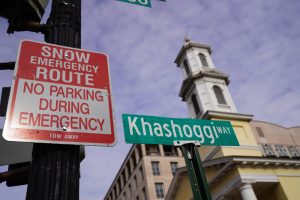
A snow emergency is a temporary declaration made by a city during severe winter weather. It means normal parking and traffic rules may change so roads can be cleared and emergency vehicles can get through.
Cities declare snow emergencies when snow or ice makes streets unsafe or hard to plow. For drivers, the biggest impact is usually parking restrictions, such as street parking bans, alternate-side parking, or increased towing.
Snow emergencies are local, not national. Each city decides when to declare one and what rules apply, which is why parking restrictions can differ from place to place.
Cities usually declare a snow emergency when winter conditions start to interfere with road safety or snow removal. Common triggers include:
A snow emergency can be declared before, during, or after snowfall, depending on how quickly conditions change and how much clearing is needed.
When a snow emergency is in place, parking rules often change to keep streets clear for plows and emergency vehicles. Common impacts include:
Even if a spot is usually legal, it may not be during a snow emergency, so it’s worth checking before you park.
This is the question many drivers search for during a storm, but the answer depends entirely on where you are.
No. There is no national or federal snow emergency level system in the U.S.
People often expect levels because:
Different places handle snow emergencies in different ways:
Rather than focusing on a level number, it’s more important to know:
These details determine whether you can legally park on your street, regardless of whether your city uses levels or not.
If you’re unsure whether a snow emergency is active, these are the fastest, most reliable ways to check before you park.
Many U.S. cities use a central non-emergency service line for snow emergencies, parking bans, and towing questions.
(If you’re outside these cities, searching “[City Name] 311 snow emergency” usually gets you to the right place.)
Most cities also publish snow emergency updates through:
These are often the first places a snow emergency is announced.
Verified city social media accounts and local news outlets often repost:
This can be helpful if you need confirmation quickly.
Snow emergencies can be declared or lifted with little notice. A street that was legal in the morning may be restricted later in the day. When snow is active, checking one official source before parking can save you a ticket or tow.
Snow emergency rules, parking restrictions, and enforcement details vary by city and can change quickly. This article is intended as general guidance only. Always check official city announcements or contact local services to confirm current rules before parking during winter weather.
A snow emergency stays in effect until the city officially announces it’s lifted. Even if snowfall has stopped, parking restrictions often remain while plowing, hauling, and cleanup continue.
How snow emergencies are lifted can vary by city:
Before parking, double-check your city’s snow emergency updates or service line to confirm restrictions have been lifted on your street.
A snow emergency is a temporary declaration made by a city during severe winter weather. It signals that parking and traffic rules may change so streets can be cleared and emergency vehicles can move safely.
There is no single national snow emergency level in the U.S. Some places use numbered levels, while many cities do not use levels at all. In most cases, a snow emergency is either active or inactive, and the important thing to check is what parking restrictions apply right now in your city.
No. Many U.S. cities do not use numbered levels. Instead, they declare a snow emergency when conditions require it and enforce specific parking and plowing rules until it is lifted. If your city does use levels, the current level is usually announced clearly through official alerts.
A snow emergency route is a street the city prioritizes for plowing and emergency access. Parking on these routes is often restricted or banned during a snow emergency so plows can clear lanes quickly and safely. These routes are typically marked by signs or listed on city maps.
Does a snow emergency override normal parking signs?
Yes, in many cases. When a snow emergency is active, temporary rules can override normal day-to-day parking signs on designated streets or routes. A spot that is usually legal may become restricted until the snow emergency is lifted.
It can be. In many cities, vehicles parked on snow emergency routes or in restricted areas during an active snow emergency may be ticketed and towed to keep streets clear for plowing. Enforcement is often stricter and faster than usual during winter storms.
The most reliable way is to check official city updates. This may include snow emergency route maps, parking ban notices, city service lines, or emergency alerts. When conditions are changing, it’s best to confirm before leaving your car on the street.
Street parking usually returns once the city officially lifts the snow emergency. In some places, parking restrictions are removed in phases, depending on the street type or plowing schedule. Do not assume parking is allowed again until the city confirms it.
The safest option is parking that won’t interfere with snow removal, such as off-street parking, garages, or permitted private spaces. Platforms like Spacer can help drivers find private off-street parking nearby when street parking is restricted. If you do park on the street, make sure the location is not a snow emergency route and that no temporary restrictions are in effect.
Snow emergencies are handled city by city, and not every place uses levels. Parking rules can change quickly during winter weather, especially in major cities. If you’re unsure, it’s usually safer to avoid street parking until restrictions are lifted.
If you need off-street parking during a snow emergency, Spacer lists private parking spaces in many major U.S. cities, making it easier to find parking when street restrictions are in place.
Zarah Mae Torrazo leads the content team for Parkhound, WhereiPark, Spacer.com.au, and Spacer.com, where she focuses on helping drivers navigate city-specific parking rules, street regulations, and reliable monthly parking options across major North American and Australian markets. With nearly a decade of experience in research-driven content, she translates complex local parking policies into clear, practical guidance that helps people find safe, affordable spaces wherever they’re headed. Her work draws on a deep understanding of how urban parking systems operate and how shared parking solutions can support both drivers and communities.
Zarah Mae Torrazo leads the content team for Parkhound, WhereiPark, Spacer.com.au, and Spacer.com, where she focuses on helping drivers navigate city-specific parking rules, street regulations, and reliable monthly parking options across major North American and Australian markets. With nearly a decade of experience in research-driven content, she translates complex local parking policies into clear, practical guidance that helps people find safe, affordable spaces wherever they’re headed. Her work draws on a deep understanding of how urban parking systems operate and how shared parking solutions can support both drivers and communities.
This will close in 0 seconds
This will close in 0 seconds