
 Written by:
Louise is an SEO Writer for Spacer Technology, creating content for the Parkhound, WhereiPark, Spacer.com.au, and Spacer.com brands. Before joining Spacer, Louise wrote copies and blogs, news, retirement and financial education content. She is enthusiastic about reinforcing financial literacy and anything that can aid people in minimizing expenses and maximizing savings, which led to her passion for the sharing economy. She aims to educate people by translating complex ideas into easy-to-digest information and practical tips for maximum understanding and minimum migraine.
 Edited by:
Zarah Mae Torrazo leads the content team for Parkhound, WhereiPark, Spacer.com.au, and Spacer.com, where she focuses on helping drivers navigate city-specific parking rules, street regulations, and reliable monthly parking options across major North American and Australian markets. With nearly a decade of experience in research-driven content, she translates complex local parking policies into clear, practical guidance that helps people find safe, affordable spaces wherever they’re headed. Her work draws on a deep understanding of how urban parking systems operate and how shared parking solutions can support both drivers and communities.
Learn the best practices for urban street parking in top U.S. cities. Avoid tickets, understand local rules, and find parking faster with smart tips for drivers.
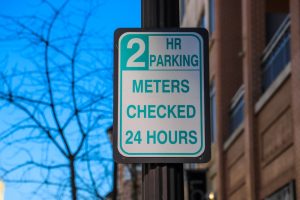
Urban street parking in the U.S. can be challenging because city governments regulate curb use to manage traffic flow and safety, leading rules to differ from one city to another. Because demand often exceeds supply, drivers unfamiliar with an area may find these varying regulations difficult to interpret.
This confusion is especially common among tourists and newcomers, since rules can differ even between nearby neighborhoods. A block that allows metered parking may be a permit-only zone just a few streets away, and seasonal regulations may apply for street cleaning or snow removal operations. Enforcement hours can also vary by day or time of year, increasing the likelihood that unfamiliar drivers may receive fines or be towed.
However, drivers can reduce the risk of violations and unnecessary penalties by learning common parking practices and reviewing local regulations before parking in any neighborhood. This guide outlines practical strategies to help you park legally, save time, and navigate urban street parking in major U.S. cities with greater confidence.
While parking rules vary by city, several regulations apply across most U.S. states. Understanding these common rules reduces the risk of citations regardless of where you drive.
Because enforcement practices and seasonal rules can change annually, drivers should verify regulations through the local transportation or public works department before parking.
Finding street parking in major U.S. cities often requires planning and awareness. The strategies below can help drivers reduce search time and improve their chances of parking legally.
Urban street parking becomes easier with preparation and observation. By combining local research with practical search strategies, drivers can save time and reduce unnecessary parking fines.
Urban parking enforcement follows similar principles across the U.S., but the details vary by city. Below are answers to common questions drivers ask.
How do I pay for street parking?
Most U.S. cities use physical meters, centralized pay stations, or mobile payment apps. Many municipalities partner with platforms such as ParkMobile or PayByPhone, though availability depends on the city and vendor contracts may change. Always follow the instructions posted on nearby signage or the meter itself to confirm the accepted payment methods.
What happens if my meter expires?
Many cities use digital enforcement systems that scan license plates electronically and, if your time expires, you may receive a citation. Fine amounts vary by location and violation type. For example, New York City publishes its parking violation codes and fine schedule online, which is updated as policies change
How long can I legally park in the same spot?
Time limits depend on posted signage and local ordinances. In commercial districts, limits often range from 1 to 4 hours during enforcement periods. In residential areas without posted time limits, some cities still restrict how long a vehicle may remain unmoved. The safest approach is to read all posted signs each time you park.
Do parking rules apply to rental cars or out-of-state vehicles?
Yes. Parking regulations apply to all vehicles regardless of registration state or rental status. Tourists and temporary residents are subject to the same enforcement standards as local drivers. Citations issued to rental vehicles are typically forwarded to the rental company, which may charge the renter administrative fees in addition to the fine.
Understanding how payment systems and enforcement work helps drivers avoid costly mistakes and park with greater confidence in unfamiliar cities.
Urban street parking can be challenging, but knowing common rules and following practical strategies makes it easier. Most cities enforce basic regulations such as keeping clear of fire hydrants, accessible spaces, and driveways, while also maintaining local and seasonal rules. Reading signs carefully, confirming time limits, and understanding payment options helps prevent fines and frustration.
Planning ahead and using tools like official parking apps or city websites and social media pages can save time and reduce stress. With preparation and awareness, parking legally and efficiently in urban areas becomes much simpler.
Louise is an SEO Writer for Spacer Technology, creating content for the Parkhound, WhereiPark, Spacer.com.au, and Spacer.com brands. Before joining Spacer, Louise wrote copies and blogs, news, retirement and financial education content. She is enthusiastic about reinforcing financial literacy and anything that can aid people in minimizing expenses and maximizing savings, which led to her passion for the sharing economy. She aims to educate people by translating complex ideas into easy-to-digest information and practical tips for maximum understanding and minimum migraine.
Louise is an SEO Writer for Spacer Technology, creating content for the Parkhound, WhereiPark, Spacer.com.au, and Spacer.com brands. Before joining Spacer, Louise wrote copies and blogs, news, retirement and financial education content. She is enthusiastic about reinforcing financial literacy and anything that can aid people in minimizing expenses and maximizing savings, which led to her passion for the sharing economy. She aims to educate people by translating complex ideas into easy-to-digest information and practical tips for maximum understanding and minimum migraine.
This will close in 0 seconds
This will close in 0 seconds